Annedda, Josée Pedneault Canada
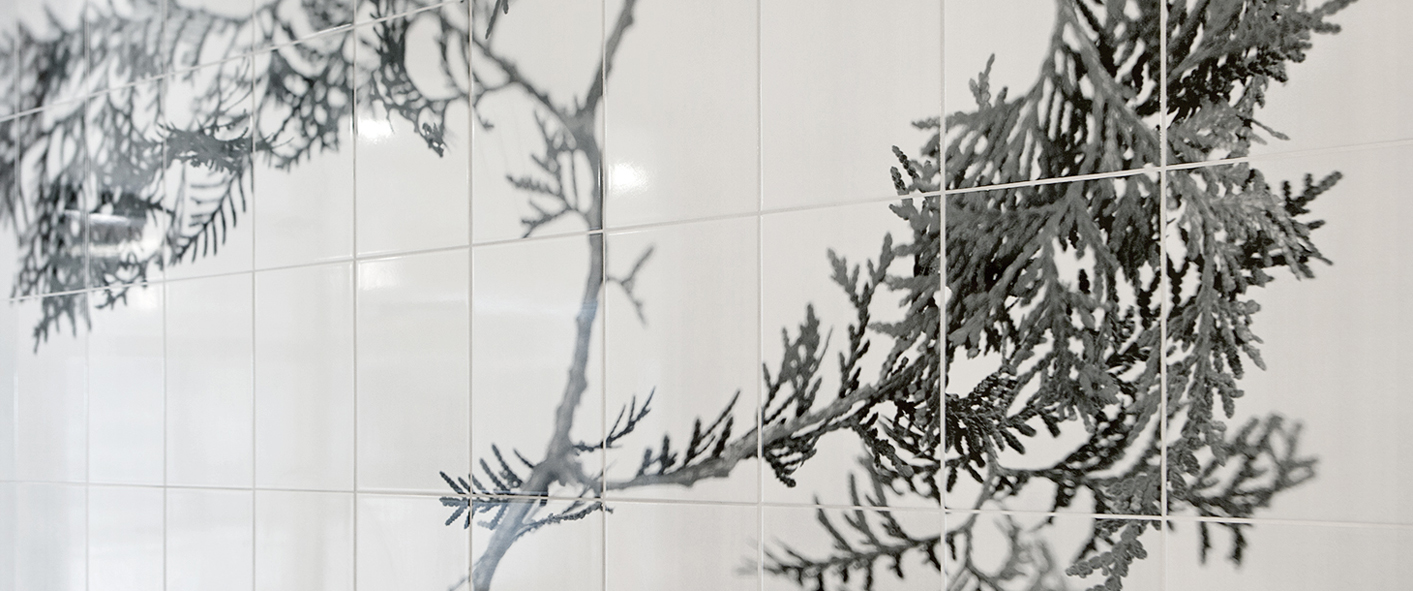
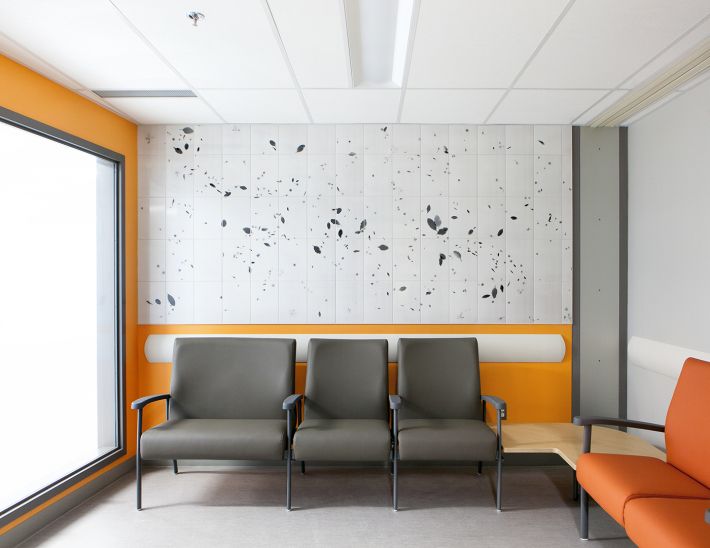
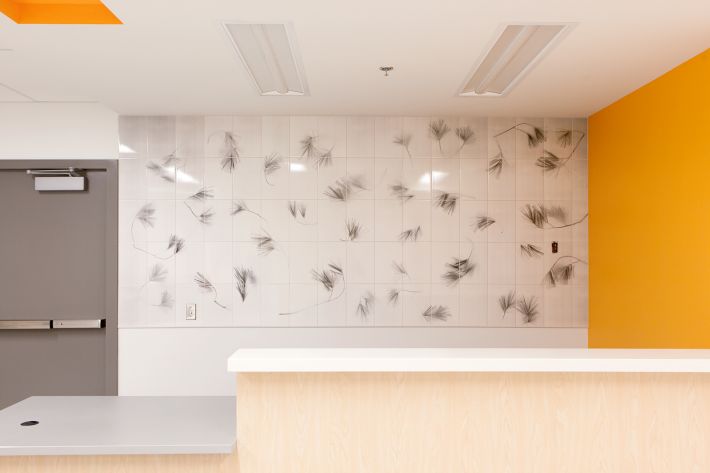
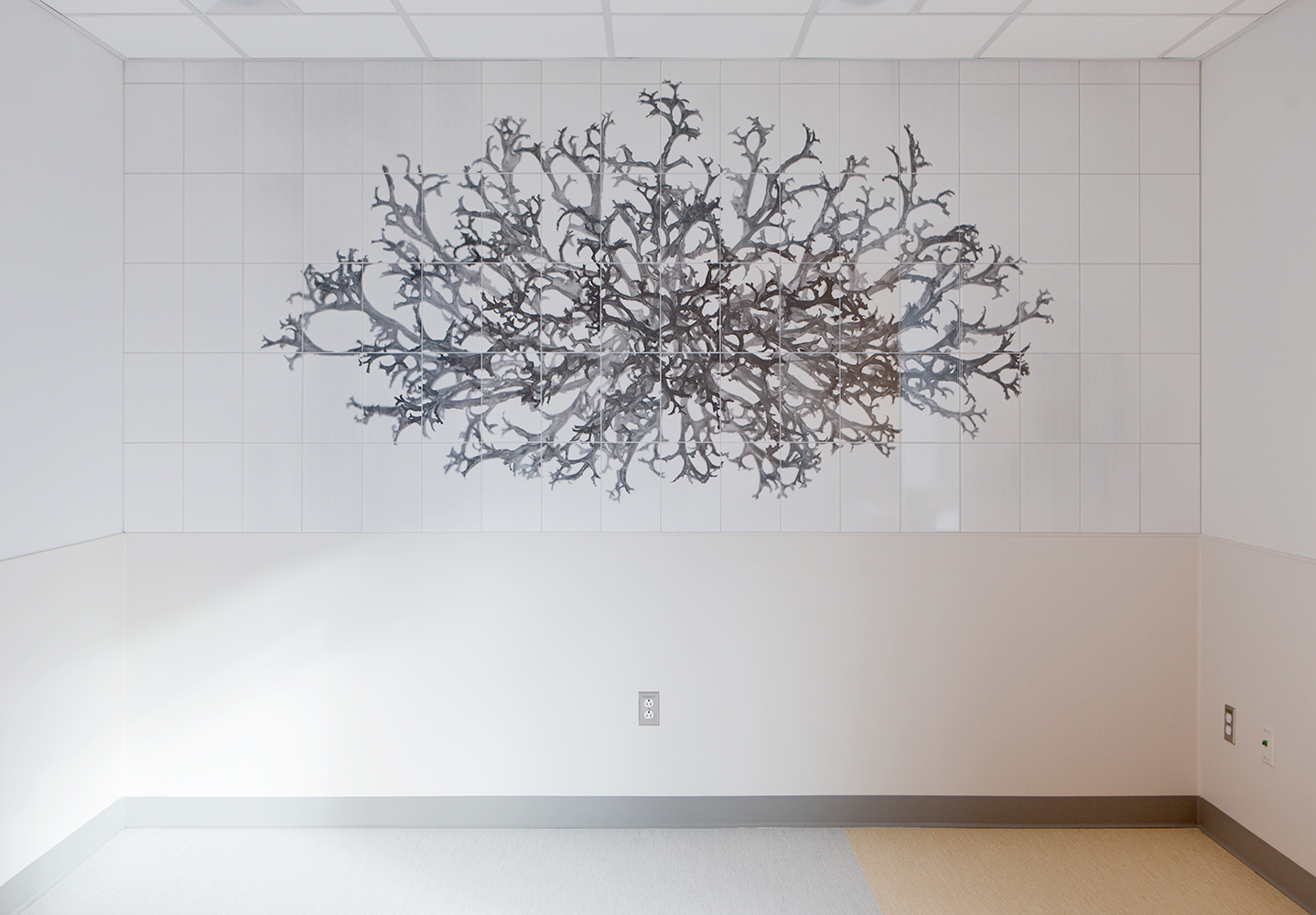
The collection ceramic tile murals, entitled “Annedda”, meaning ‘Tree of Life’, were created from a series of black and white photographs taken by the artist and are influenced from French-Canadian folklore behind the restorative properties of the White Cedar tree. Josée Pedneault explains “Annedda” here
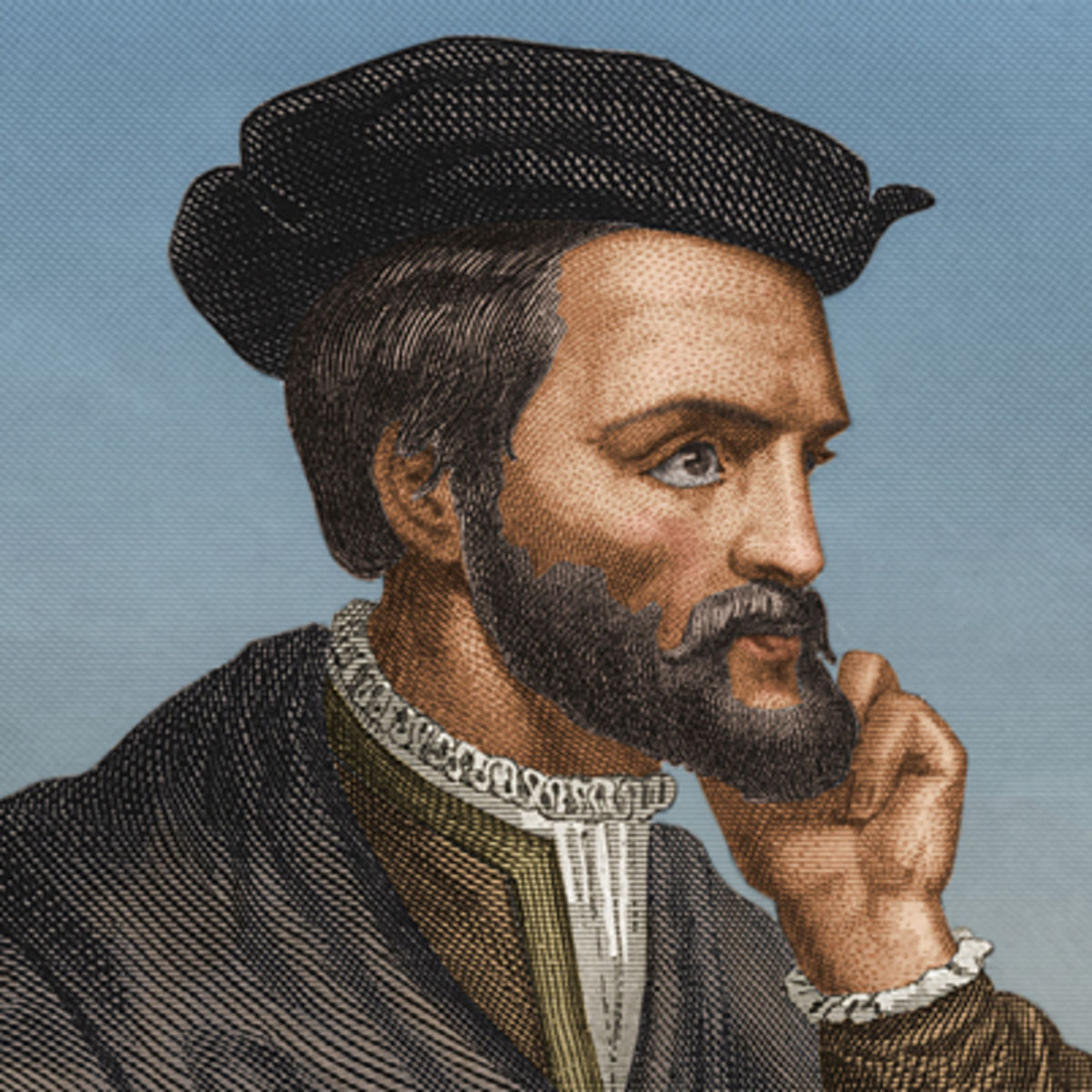
Jacques Cartier, a French explorer of Breton origin, claimed Canada for France.
Historically, in the winter of 1535, French explorer Jacques Cartier and his crew, settled in Hochelaga, now known as Montreal, in Quebec and were struck by an outbreak of scurvy due to poor diet and the harsh winter. After witnessing over a quarter of his men die, Cartier sought help from the indigenous population, who give the men an infusion to drink made from the pine needles of the White Cedar, the Annedda tree. After eight days of taking the infusion, those suffering from scurvy were cured and other existing wounds healed. The pine needles were found to be rich in vitamin C which probably contributed to eradicating the scurvy and supplementing their poor diet.
The Annedda murals feature plants and trees that are indigenous to Quebec and the Boreal region and are regarded as symbols of strength and fortitude and were used to treat respiratory afflictions before the advancement of modern medicine. Plants and trees chosen for this installation were Slippery Elm, White Cedar, Borage, White Pine and Iceland Moss to provide a visual link from these historical natural remedies and the modern technological advances in medicine.

The murals were unveiled in the MCI Pulmonary Function Clinic, with one on public view within the main reception room. The other four have been installed in the clinical areas to enhance the ambience of the centre, providing a soothing, restorative and healing environment for patients and visitors alike. This encompasses the ethos of the McGill University Health Centre and fulfills the vision of the artist, who explains her inspiration in a specially created Youtube video.